
The impact of climate change on thermal comfort in the Valencian region
According to research by specialists from the Universities of Alicante and Valencia, climate change in the Valencian Region in the form of increased night temperatures makes the tourist season more favorable throughout the year. As a result, the tourist season is extended in spring and autumn, but creates the worst "climatic comfort" in mid-summer.

Changes in temperature and seasonal precipitation patterns affect climatic comfort - the main resource of tourism in the region. In particular, an increase in maximum temperatures in summer and late spring, especially in inland areas, has been identified. As well as an increase in the frequency of "tropical nights" (when the minimum night temperature is above 20 ° C) in the coastal zone and an increase in the water temperature of the Mediterranean Sea.
Tourism activity is one of the main economic factors of the Valencian Region, at the same time it is largely based on ideal climatic conditions for the resource "sun and beach". In this context, climate change affects these conditions, which in summer lose some of their attractiveness due to extremely high temperatures. But at the same time, this opens up new opportunities for new forms of tourism in the interior, which is greatly facilitated by the reduction of the cold season of the year.
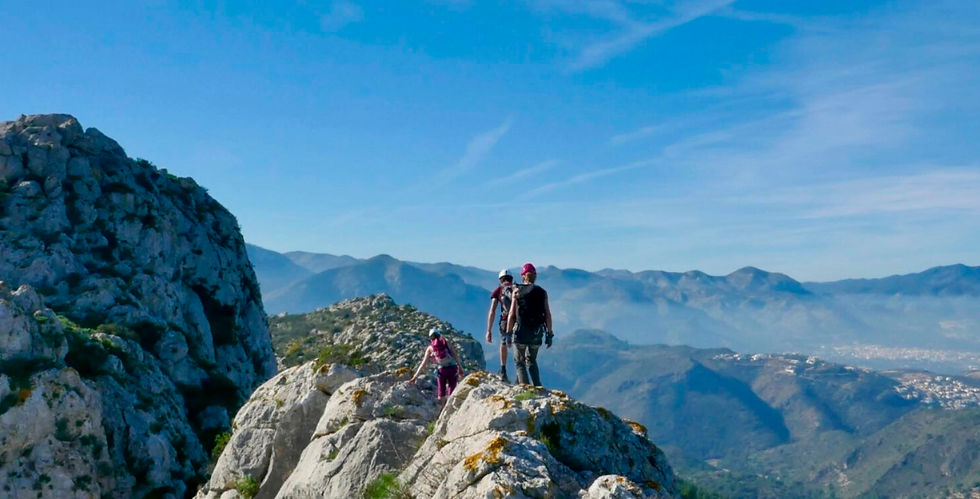
Research predicts a strong loss of thermal comfort in summer by 2100, while the opposite will happen in winter. In addition, we should expect a relative increase in comfort in mountainous areas and at high altitudes not only in winter, but also in autumn and spring.

The speed of adaptation of tourism is important for maintaining competitiveness and its strong impact on the regional economy. Therefore, the authors of the studies propose the following measures: change the calendar of the "high season", including June and September, improve the conditions of tourist facilities related to climate change. Have good water supply systems and change the protocols for the protection of civil and public health to address problems related to climate hazards, such as heavy rains.
Despite all the above changes, according to the World Health Organization, the Costa Blanca region is still one of the healthiest places in Europe.


Comments