
Mold: How to protect yourself from unpleasant neighborhoods
The holiday season is in full swing and property owners whose homes have been empty for months are flocking to the Mediterranean coast of Spain.
New piles of seemingly decent sofas, armchairs, wardrobes and other furniture are growing on street corners next to trash bins. But upon closer inspection, you realize that all the discarded furniture is affected by moisture, mold and mildew.

Living on the Spanish coast, you realize that not only humans love a humid climate, but mold and mildew especially prefer it.
For property owners on the beautiful Mediterranean coast, the fight against mold and mildew is a constant challenge. The region's humid climate is an ideal breeding ground for these unwanted guests, leading to structural damage and potential health problems.
In this article, we will look at practical solutions to protect your home, preserve your investment and ensure a clean living environment.
Differences Between Mold and Mildew
Mold and mildew are types of fungi that thrive in damp conditions. Although they are often confused as the same thing, mold appears as a dark, fuzzy growth, while mildew is usually a powdery white substance.
Both can release spores that can aggravate allergies and respiratory problems.

Mold Infestation Statistics and Effects
According to research, approximately 50% of homes in damp coastal areas suffer from some form of mold infestation.
In fact, mold damage can result in significant repair costs, averaging between €1,500 and €10,000 to restore. For example, a home in Majorca faced a €20,000 bill after mold damaged structural beams, making the property unsafe.
Identifying Problem Areas in Your Home
Mold often hides in dark, damp places. Common hot spots include basements, bathrooms, kitchens, the insides of cabinets, and walls behind furniture.
Signs of mold include a musty odor, noticeable stains, and peeling paint.
Ten Prevention Tips for Homes with High Humidity
Ventilation: Make sure bathrooms and kitchens are well ventilated. Install exhaust fans to remove moist air.
Dehumidifiers: Invest in dehumidifiers to keep indoor humidity levels between 30% and 50%.
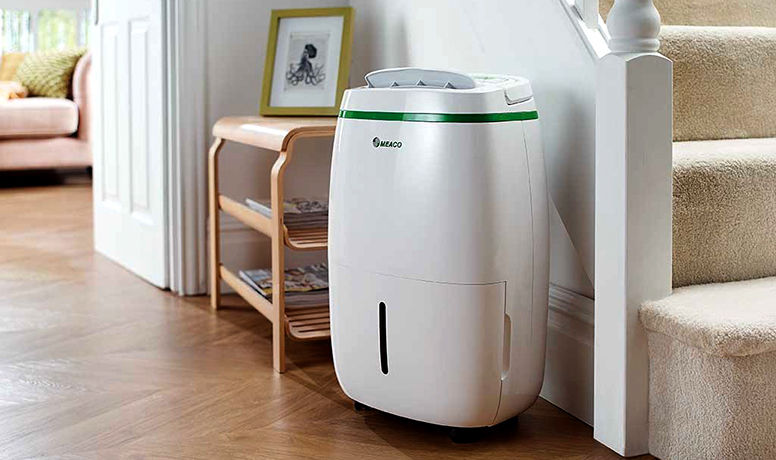
Insulation: Properly insulate roofs, walls, and floors to prevent condensation.
Leak Repair: Fix any plumbing or roofing leaks immediately to prevent moisture buildup. Landscaping: Ensure proper drainage around your home. Sloping your landscaping away from your foundation can drain water.
Maintenance Checks: Inspect your property regularly for signs of dampness or leaks. Our KeyHold team can help you with this while you’re away.
Mold-Resistant Materials: Use mold-resistant drywall and paint when remodeling to reduce the risk.
Air Conditioning: Use air conditioners to control indoor humidity.
Humidity Monitoring: Use hygrometers to track indoor humidity levels.

Education: Educate family members about mold recognition and prevention.
Tackling Existing Mold and Mildew
Once identified, it’s important to act quickly. For small mold spots, a mixture of water and vinegar can often clear the problem. For larger infestations, consider hiring professionals like our KeyHold team for safe removal.

Conclusion
By understanding mold and mildew and implementing these strategies, property owners can protect their homes from the damaging effects of moisture. Taking proactive measures will not only ensure the longevity of your property, but also the health and safety of its occupants.
Don’t let mold get the better of you – take action today!


Comments